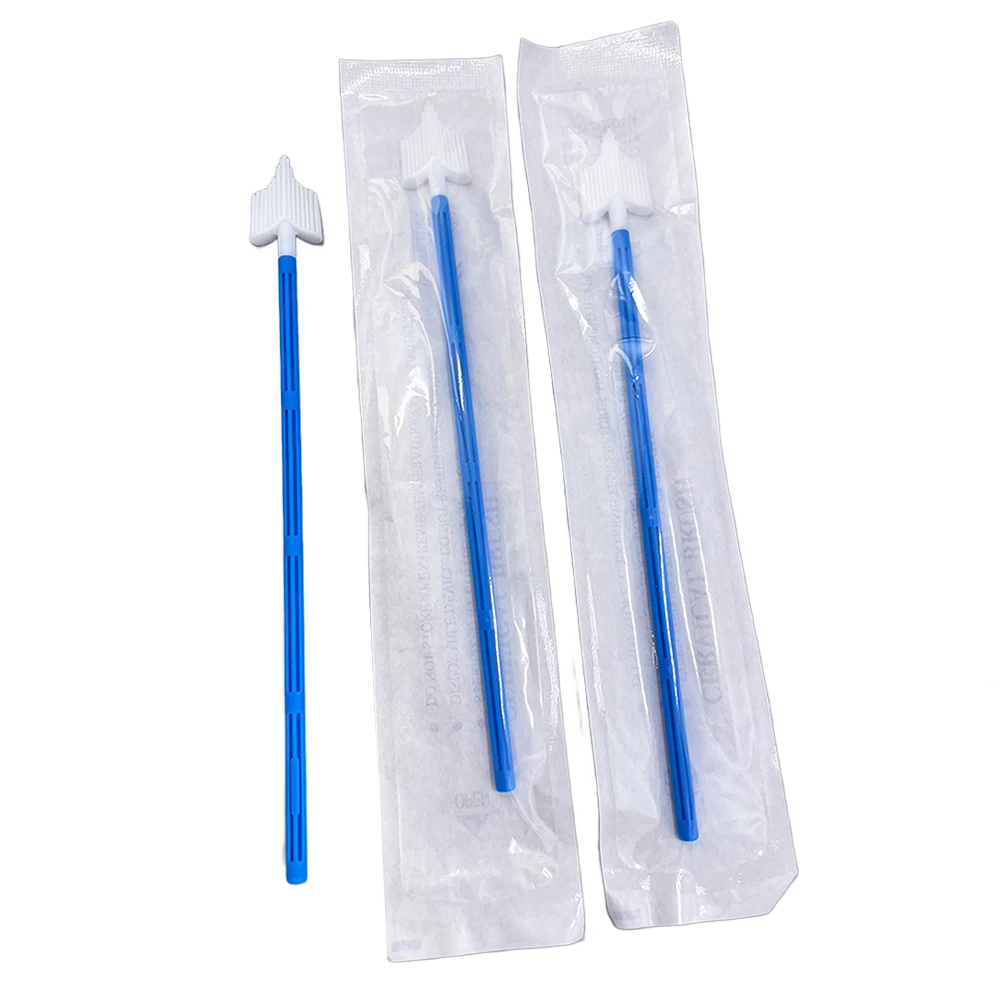
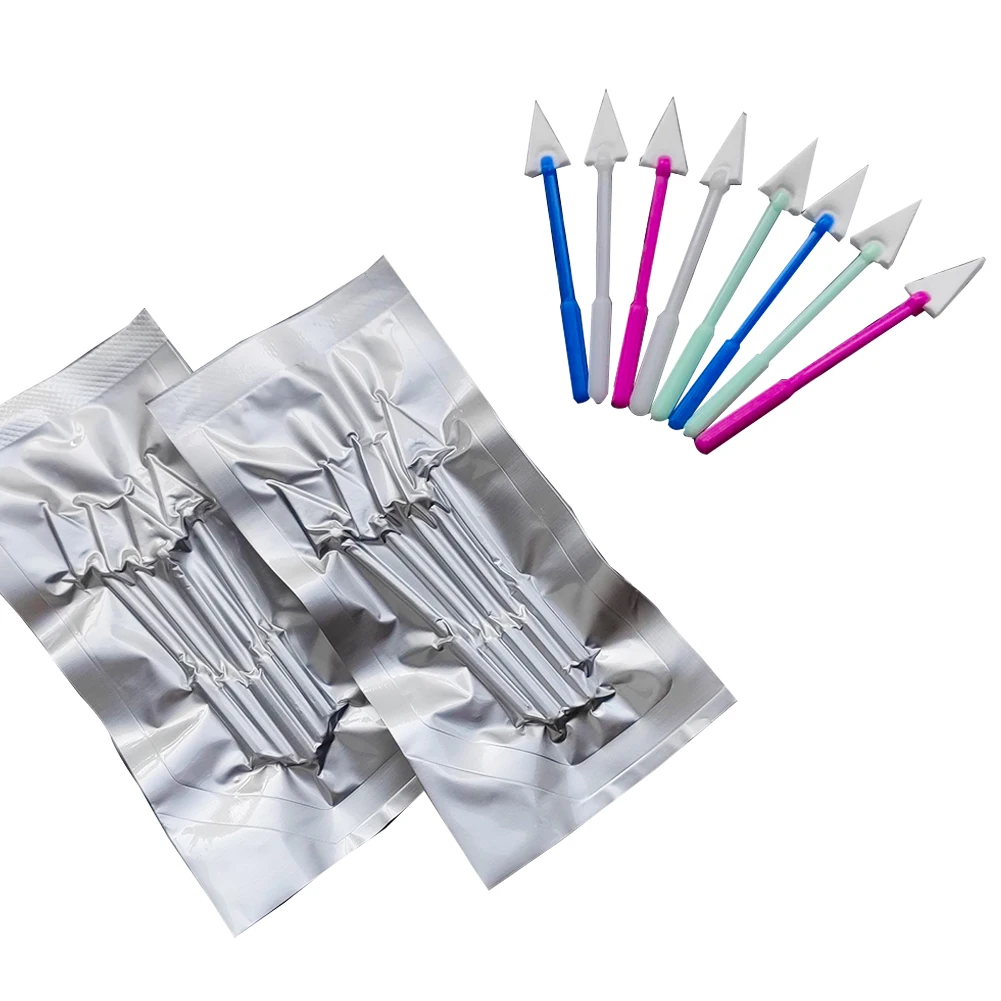
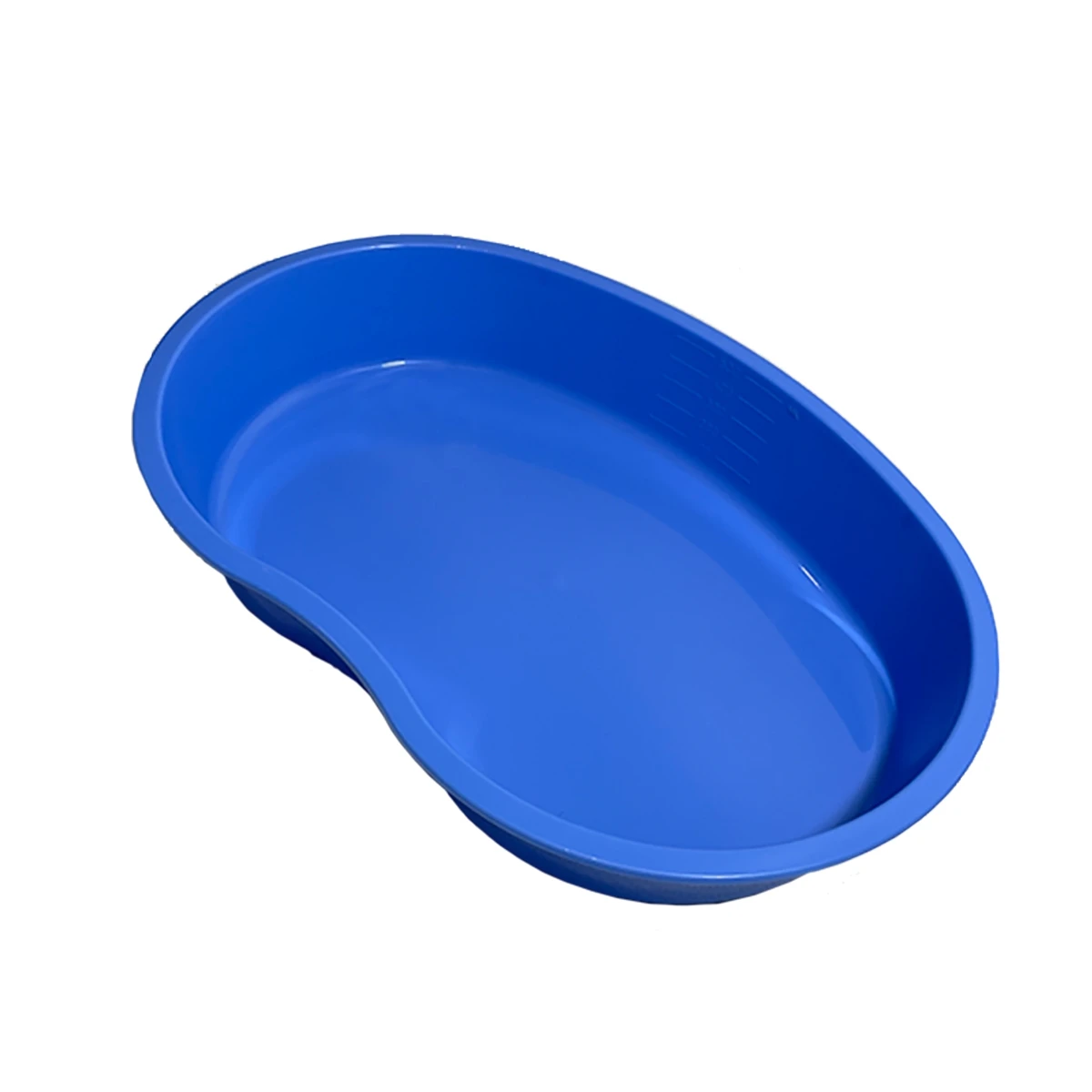
Test vaginal swab: The vaginal swab test is a very crucial medical examination due to which the doctors can detect a large number of infections in the body of the woman. This test is also called a vaginal culture. Most women are probably going to need this test at some point in their lives. Especially when it comes to early diagnosis of STIs, when they see unusual discharge, or experience discomfort in everyday activities or other symptoms that may affect their health. It’s an important step in ensuring that women remain healthy and receive appropriate treatment when it is necessary.
The swab is inserted into the vagina very gently, and moved back and forth only a little to gather the required sample. It may feel a little strange or ticklish for some women, however, it should not hurt at all. The doctor is trained to make this process as comfortable as possible.
The test results are very useful. They help doctors decide how to treat any infections that might be found. The findings may also be useful in predicting whether someone is at risk for being re-infected at some point down the line, a long-term health question.
“It’s important to know that a vaginal swab test differs from a Pap smear.” Another test, a Pap smear, looks for cervical cancer. In some cases, your doctor can combine both tests simultaneously if necessary for your health and safety.
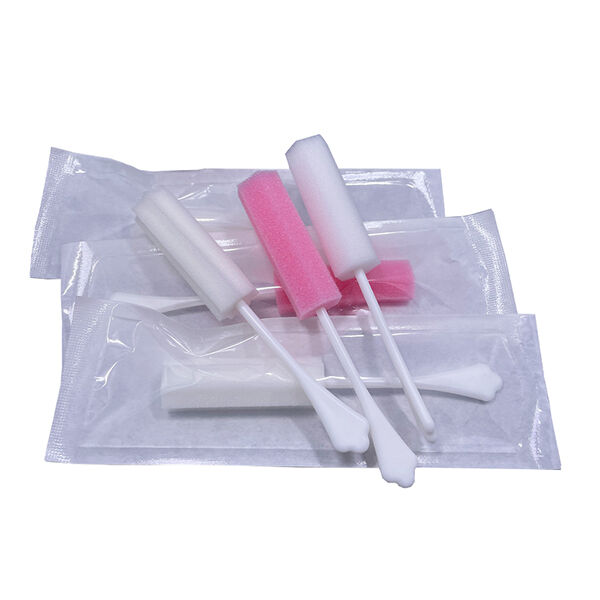
The doctor will slowly insert the swab to your vagina and stir it to collect the sample. This section of the test is fast and you should experience little, to no discomfort throughout the process. The doctor is trained in gentleness, and respect.
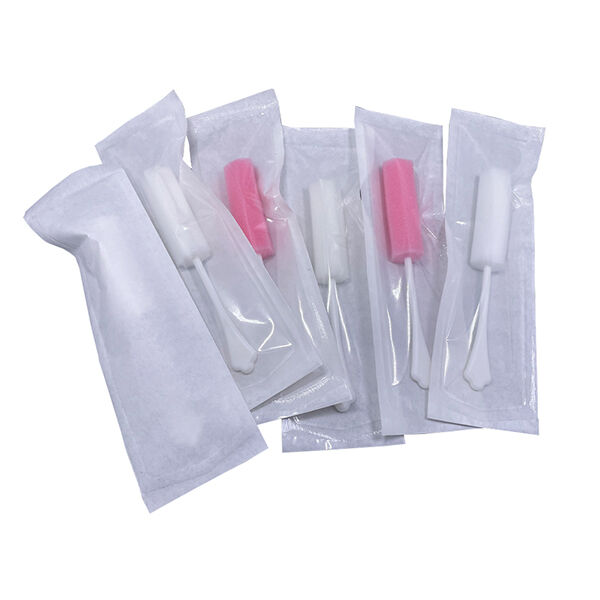
Positive: If results are positive, this indicates that harmful germs or bacteria were found in your sample. In that case, your doctor might prescribe antibiotics or other medications to help resolve the infection. It is vital that you heed their advice and deal medications in per their than instructions.
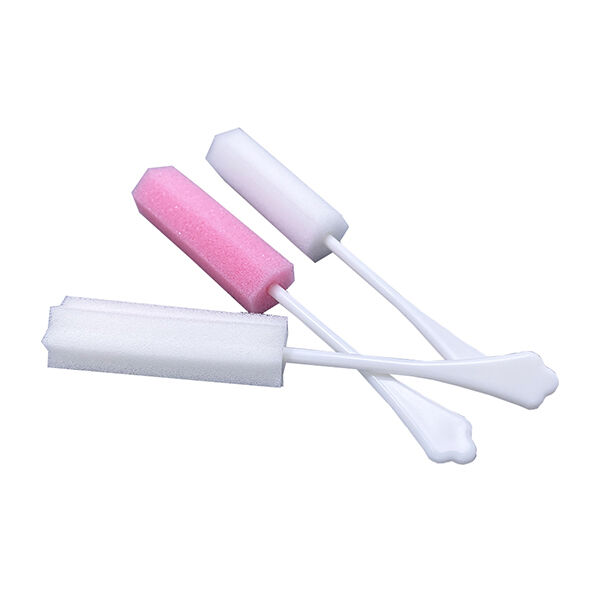
Inconclusive: At times results can be inconclusive. That could happen if the sample was improperly taken or if there was some issue with the analysis at the lab. If so, your doctor may suggest retaking the test to receive more accurate results.
Cenlekong has a strong stable steady and rapid supply capacity that is stable reliable and fast It is because of its excellent supply chain management its automated production lines of the highest quality as well as its inventory management software We know how important stable supply is to ensure the vigina swab test of our clients Therefore we continually improve processes constantly to ensure quick responses to any market conditions We keep a strict control on logistics and a streamlined production schedule regardless of seasonal fluctuations or spikes in orders Our clients have peace of mind knowing that we will deliver the goods on time with accuracy and with the highest quality
Cenlekong the world's leader in medical sponges and consumables is situated in {keyword}} the city of Hong Kong Our headquarters features a modern manufacturing facility that covers 4 000 square meters and is equipped with state-of-the-art Class 100 000 clean rooms With a staff of around 100 and more than ten years manufacturing experience Our annual production is greater than 20 million units Cenlekong provides top-quality service to over 100 000 clients from more than 60 countries We're dedicated to addressing the varied needs of our customers We have earned international recognition for our manufacturing capabilities and years of industry experience
Cenlekong is an organisation that is focused on creating and manufacturing medical sponges The main products we offer include oral sponge sticks as well as feminine sponge sticks We also sell vigina swab test suction brushes and various medical products like NPWT sponges that are suitable for medical use Utilizing the latest technology extensive experience and a strong technical staff we can provide top-quality solutions quickly to fulfill the requirements of different areas
Cenlekong is endorsed by vigina swab test, CE, SGS, and FDA to ensure product quality and safety. We also hold over 30 patents, including oral sponge stick swab that is protected by independent law. These patents reflect our innovation and technological excellence. Cenlekong was also acknowledged as a "National High-Tech Enterprise with a record of outstanding accomplishments and technological proficiency. We also provide 24/7 customer service, a rapid response to the needs of our customers and signing five major assurance agreements to protect all customer interests.

Copyright © Cheercare Medical (Changzhou) Co.,Ltd.
All Rights Reserved
 EN
EN