Dry your mouth: Before you begin, it’s a good idea to have a clean and dry mouth. Refrain from eating any food, drinking any liquids, brushing your teeth, or using mouthwash for at least 30 minutes before collecting the sample. This ensures that the sample will be correct and not altered by something else.
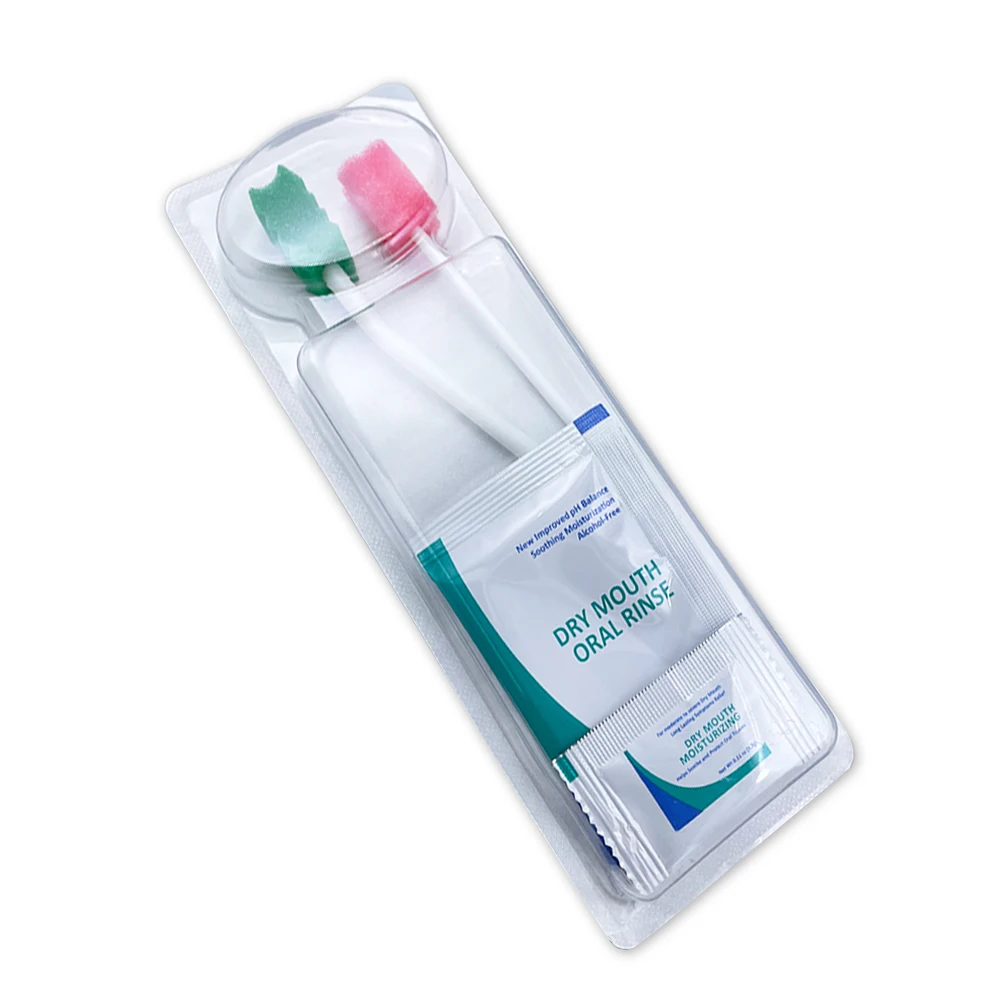
Open the Kit: When your mouth is well prepared you may open the kit for saliva collection. It usually contains everything you need in this kit. This means Today you'll need to step through of your saliva to build the DNA polymerase and expose your entire genes. Answer Hold the swab by its handle, which is the part you do not put in your mouth.
Put the Swab Back in Tube: After obtaining the saliva, replace the swab carefully into the tube for collection. Be sure to tighten the lid so it doesn’t leak. It’s also wise to write your name and the date on the tube. Adds a Works for the lab needs to know whose sample you just sent them for testing
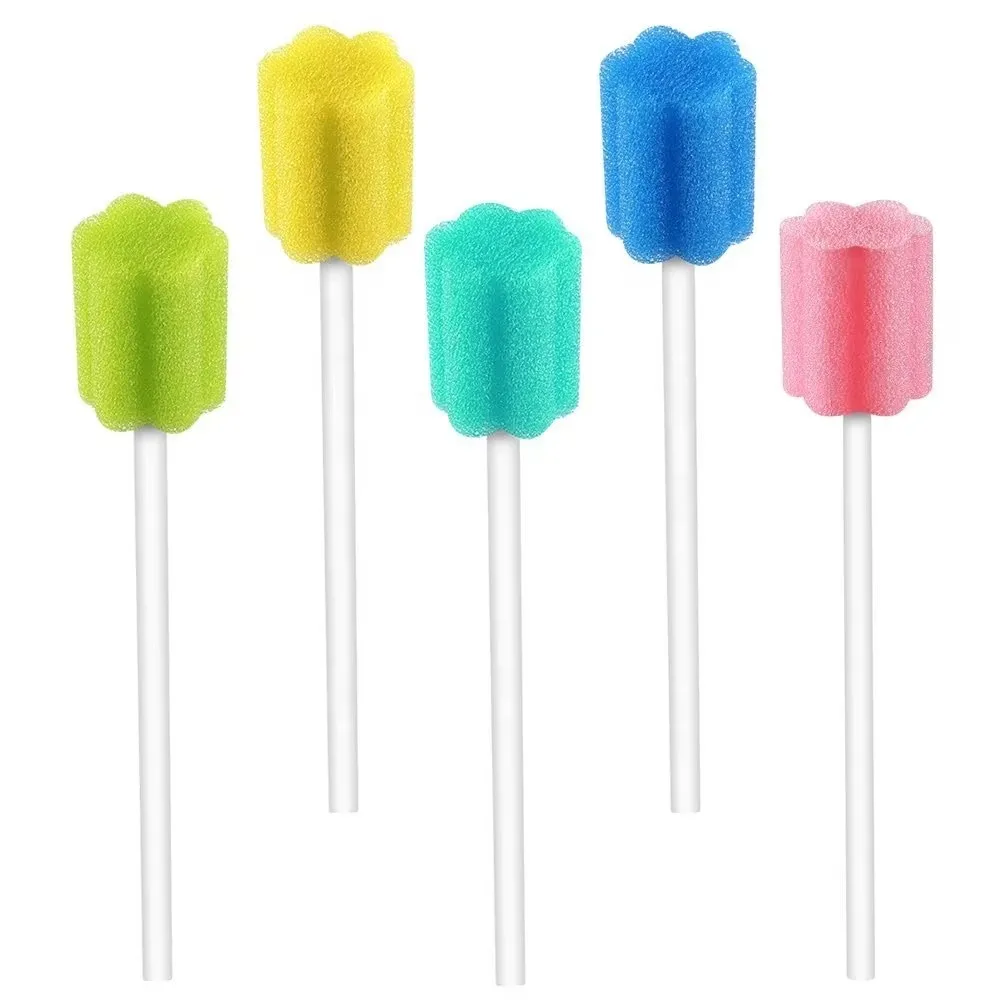
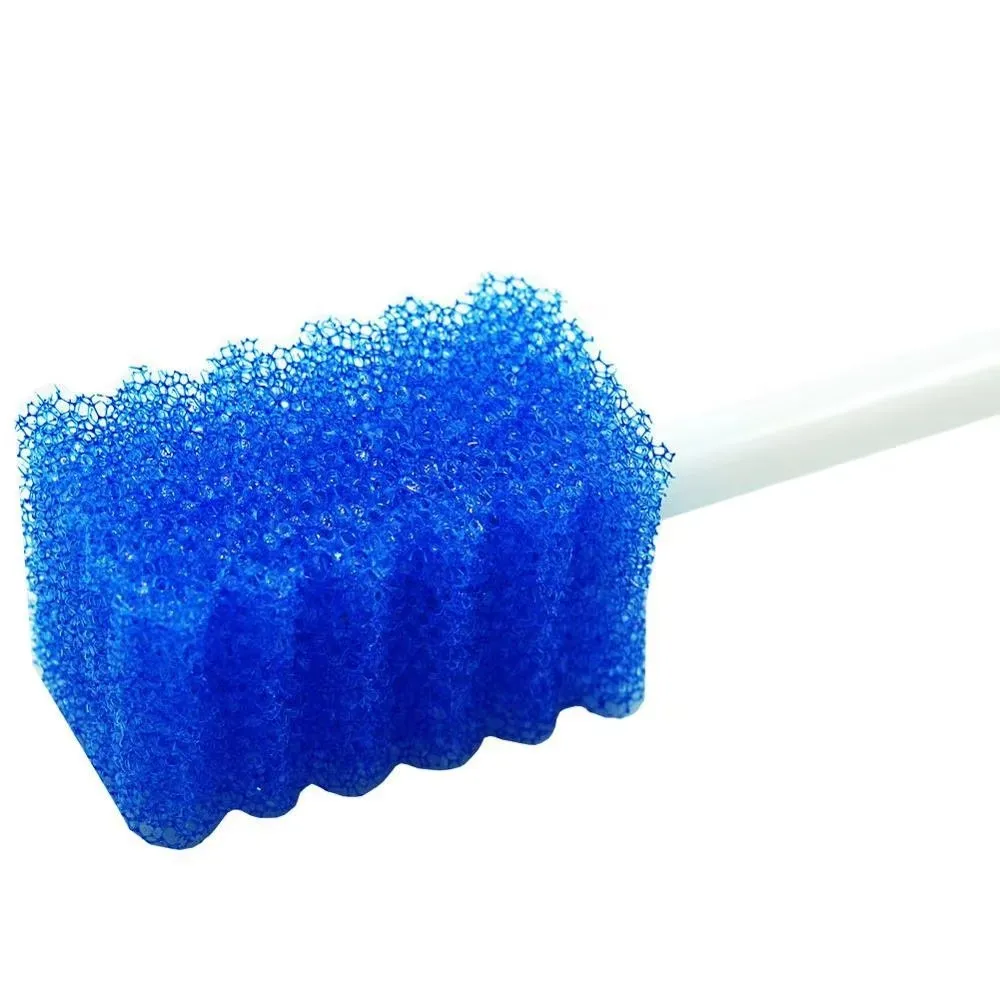
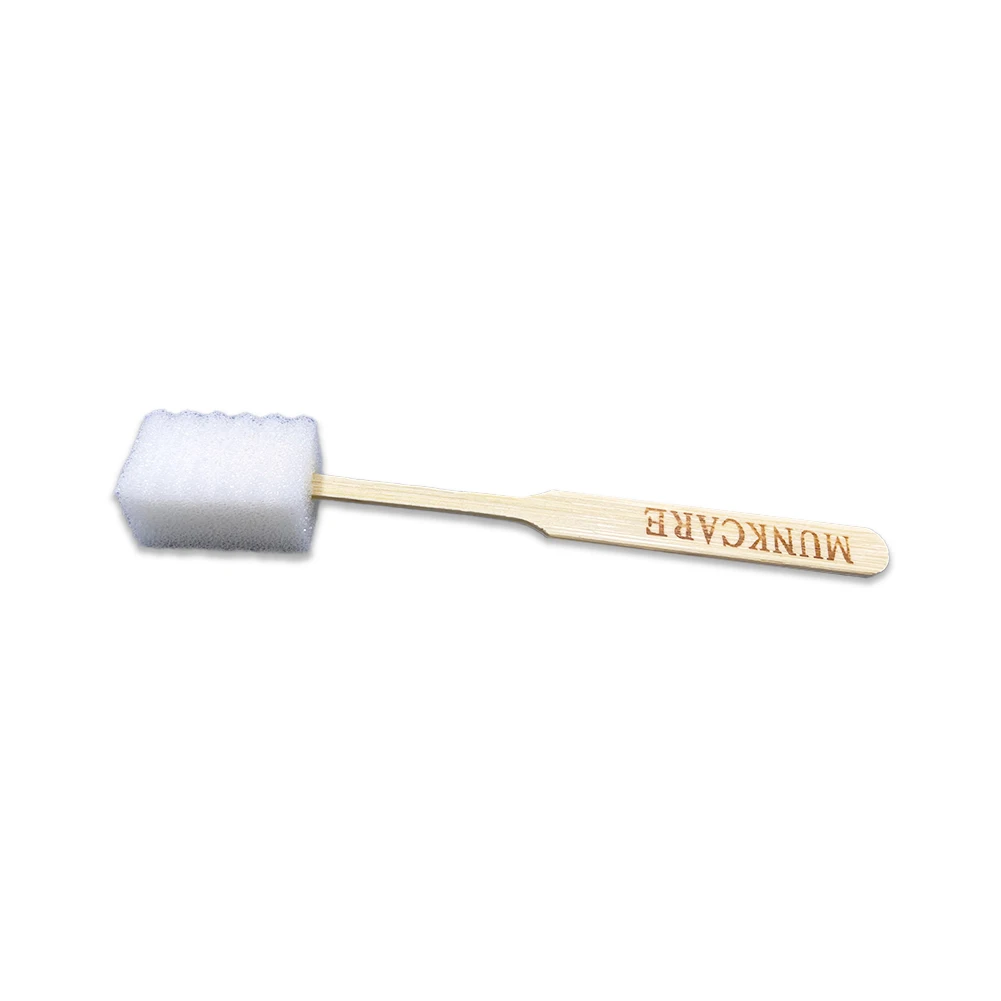
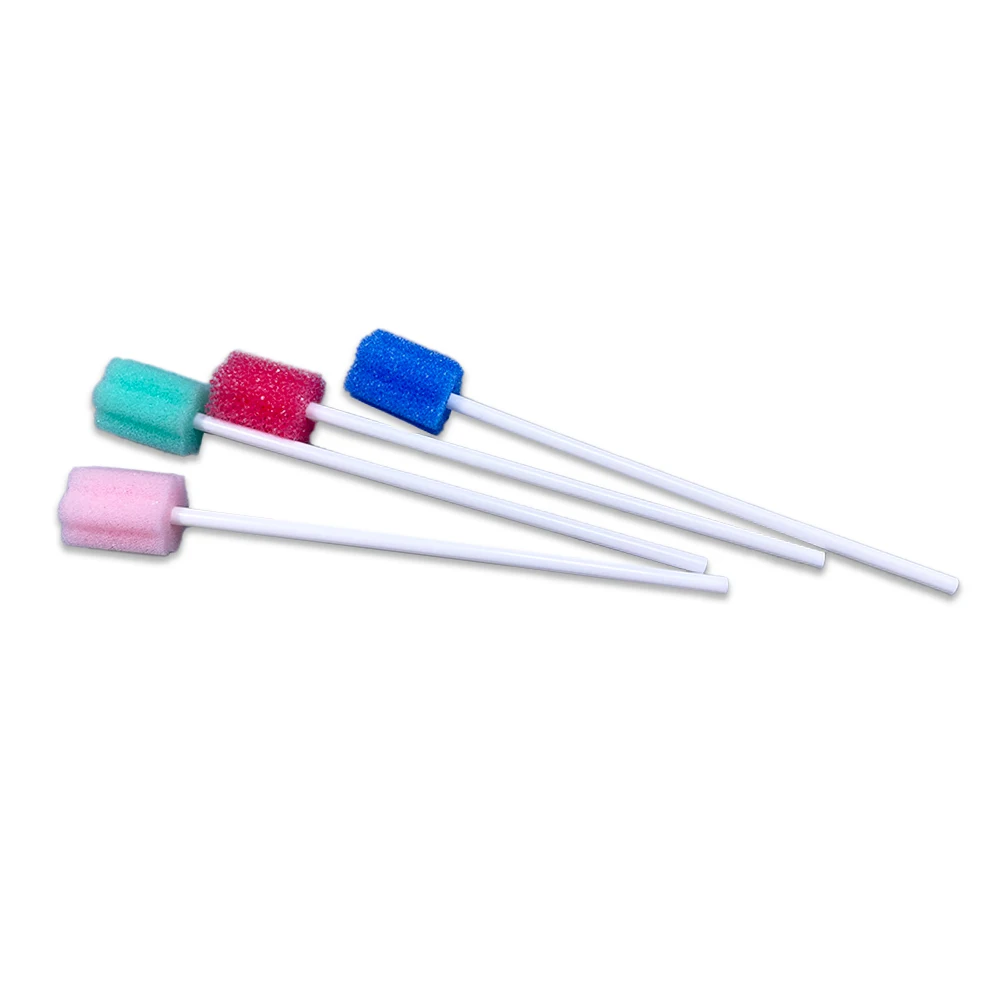
The mouth swab does have many different uses. Genetic testing is one of the most common reasons. When you take a sample of your DNA with a mouth swab, scientists can test that DNA. They can learn critical information about your health — and even your family history. This can inform you about traits you could have inherited from your parents or grandparents.

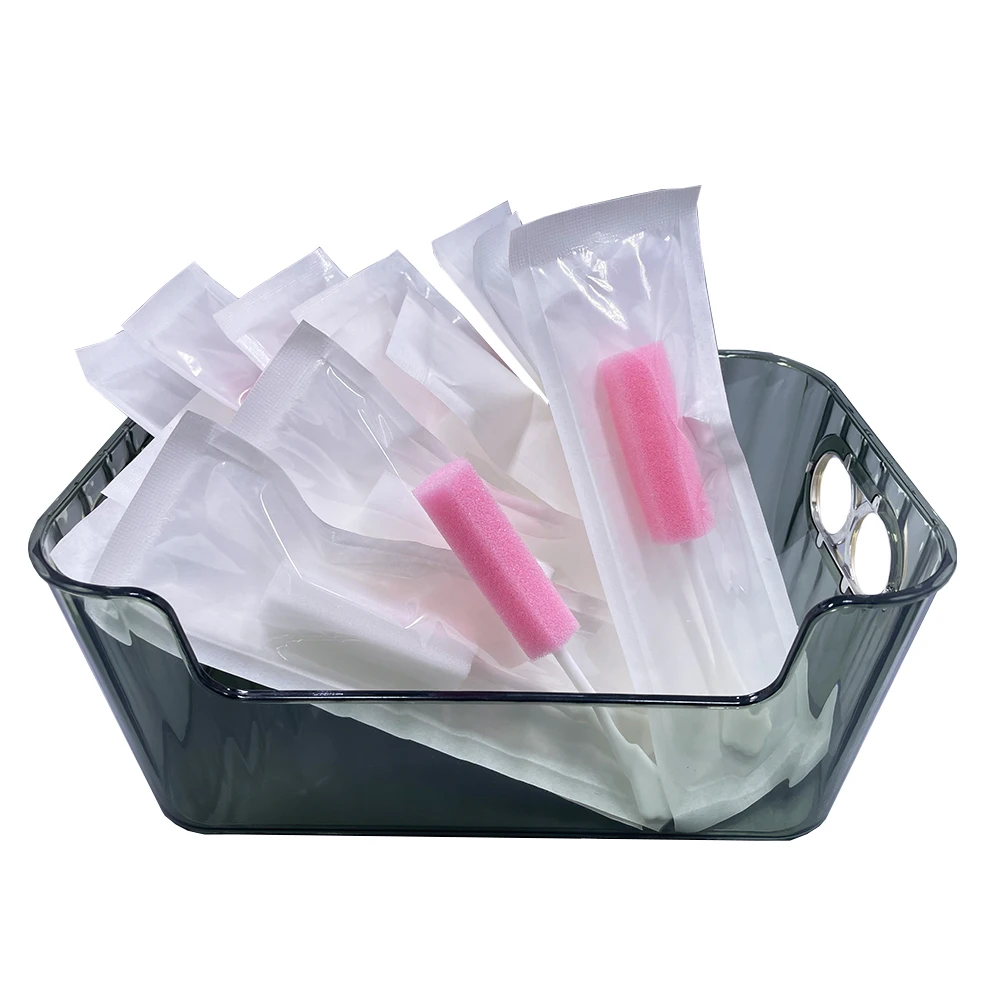
With a home saliva collection kit, however, all you have to do is follow the steps we outlined above. Once you collect your sample, you can return it to the lab for testing by mail. You usually receive your results back within a few weeks. Some labs can even give you your results online, which makes it even easier!
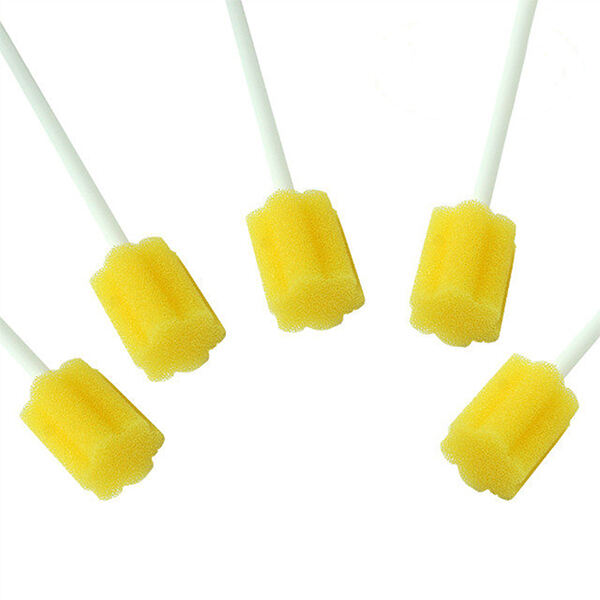
Research has also indicated that mouth swab drug testing can be just as accurate as a urine test. But there are a few key reminders. For example, the detection window for mouth swab tests is generally shorter than for urine tests. This means that, if someone wants to know if a drug was used days earlier, a urine test may be more effective.

Without going through these steps, you can get wrong results. For example, eating or drinking something before gathering the sample can alter the amount of DNA in your saliva. All it takes is for you not to properly label the tube, and your sample can be confused with someone else’s sample, not good.
Cenlekong a world-class pioneer in medical sponges as well as consumables is situated in Hong Kong Our headquarters is a modern factory that spans 4 000 square meters and is equipped with Class {keyword}} Our annual production exceeds 20 million units There are around 100 employees who have more than ten years manufacturing experience Cenlekong offers high-quality service to more than 100 000 customers in over 60 countries We're committed to addressing the varied demands of our customers Our solid production capabilities as well as vast experience in the industry have earned us wide recognition on the global market
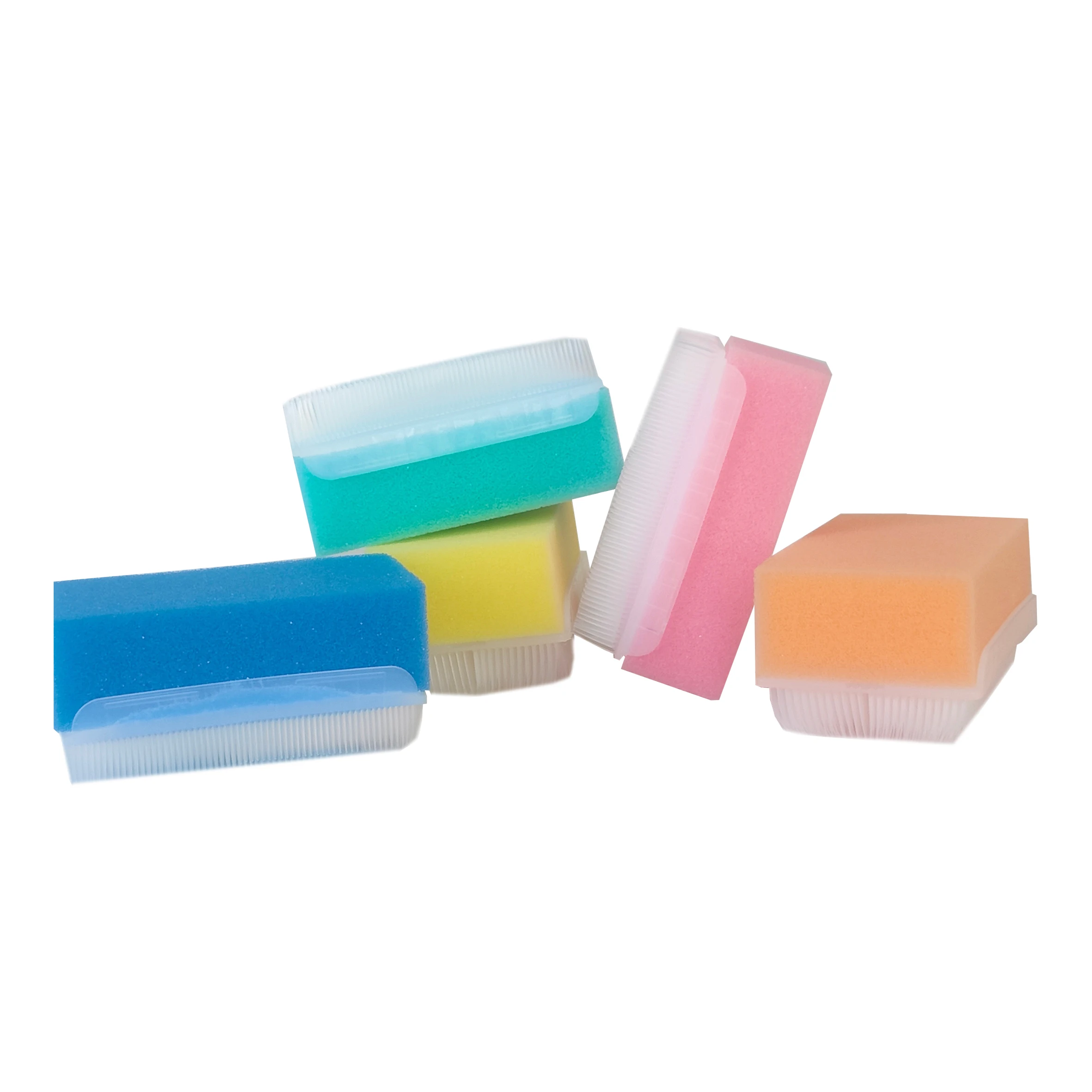
Cenlekong is an organisation that is focused on manufacturing and swabs for mouth medical sponges. Our main products are oral sponge sticks and feminine sponge sticks. We also offer suction brushes, handwashing brush and a wide range of medical products, including NPWT sponges that are suitable for medical use. We can provide solutions of premium quality swiftly by using advanced technology, knowledge and a committed team.
Cenlekong is accredited by ISO9001 and CE It is also SGS and FDA approved which ensures that the product is safe and of swabs for mouth We also hold more than 30 patents This includes the independently-protected oral sponge stick swab These patents reflect of our technological and innovation leadership Additionally Cenlekong has been recognized as an "National High-Tech Enterprise " further proving our exceptional achievements and expertise in the industry We provide 24 hours of customer support that is quick in responding to demands of our customers Five major assurance agreements have been signed to safeguard the interests of our customers
Cenlekong has a strong stable steady and rapid supply capacity that is stable reliable and fast It is because of its excellent supply chain management its automated production lines of the highest quality as well as its inventory management software We know how important stable supply is to ensure the swabs for mouth of our clients Therefore we continually improve processes constantly to ensure quick responses to any market conditions We keep a strict control on logistics and a streamlined production schedule regardless of seasonal fluctuations or spikes in orders Our clients have peace of mind knowing that we will deliver the goods on time with accuracy and with the highest quality

Copyright © Cheercare Medical (Changzhou) Co.,Ltd.
All Rights Reserved
 EN
EN