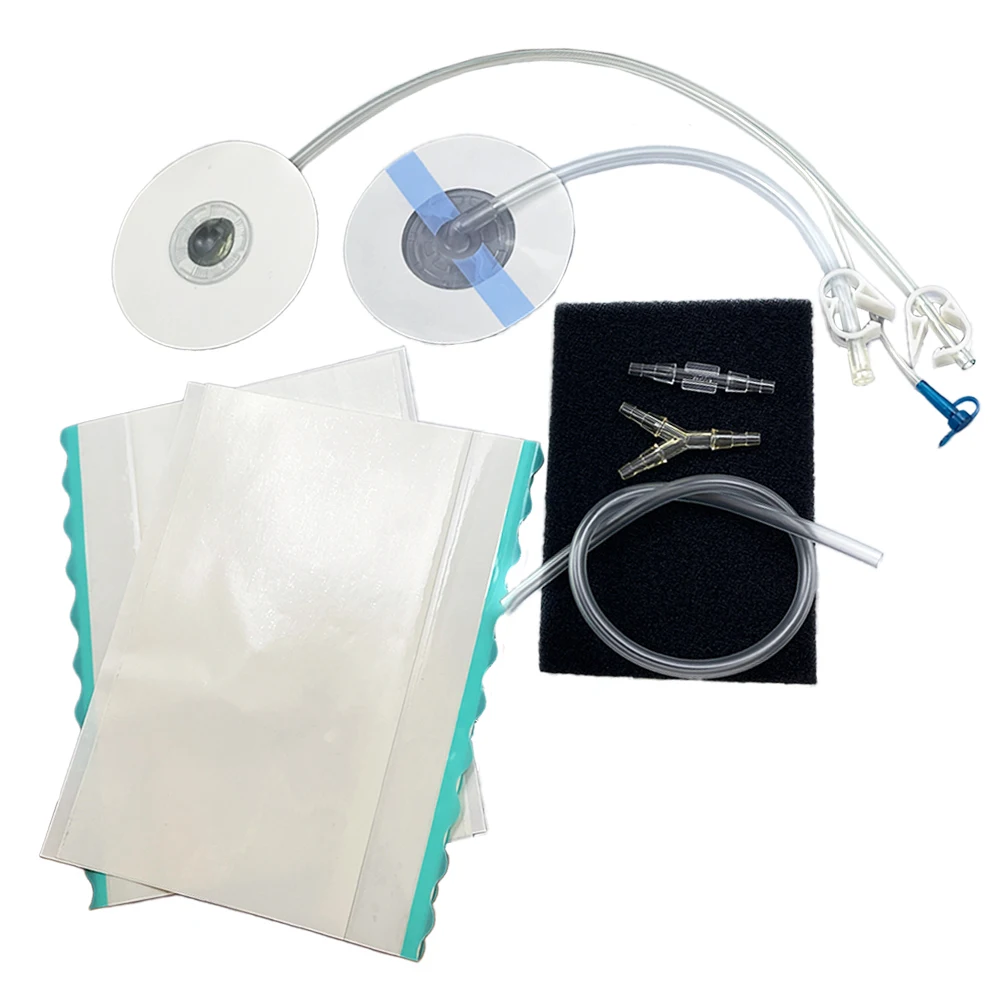
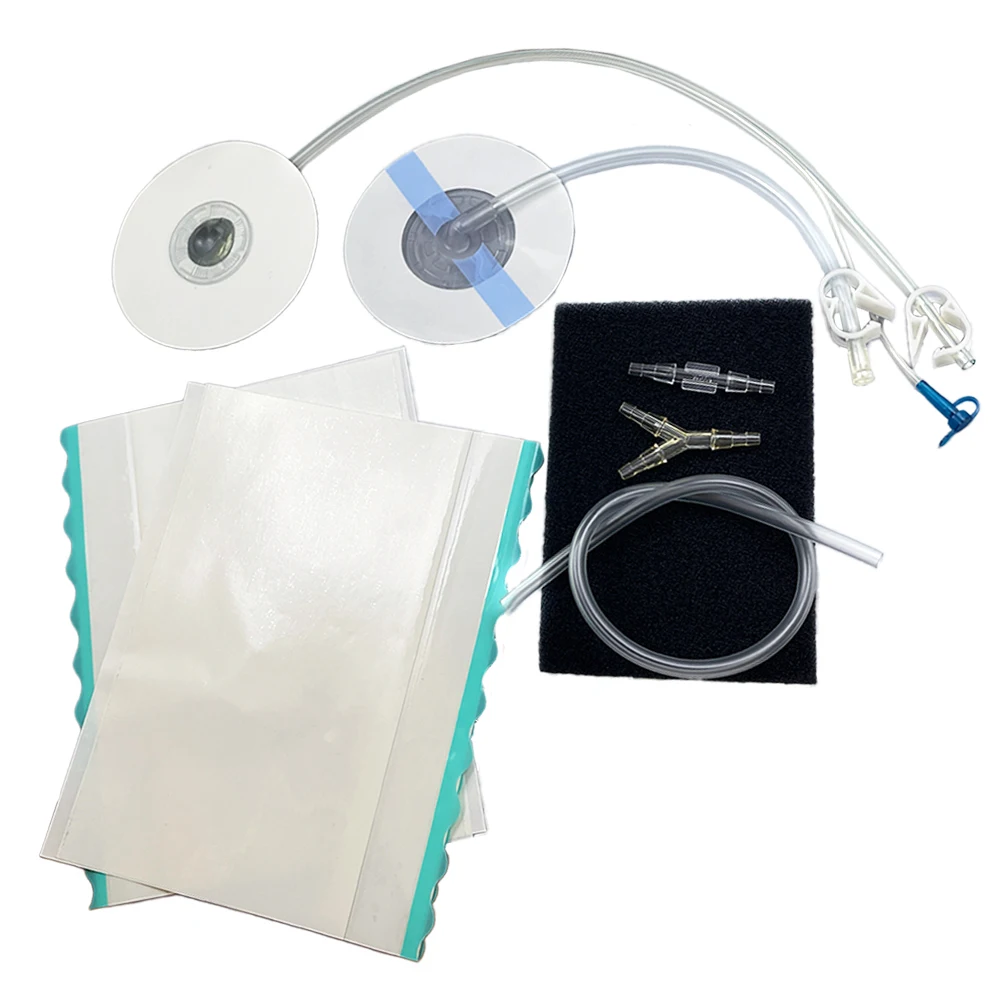
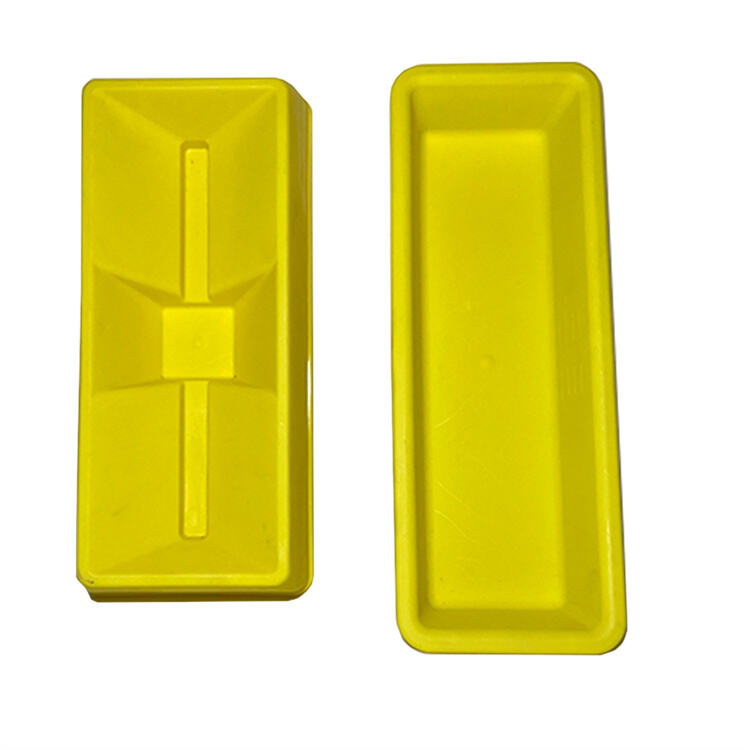
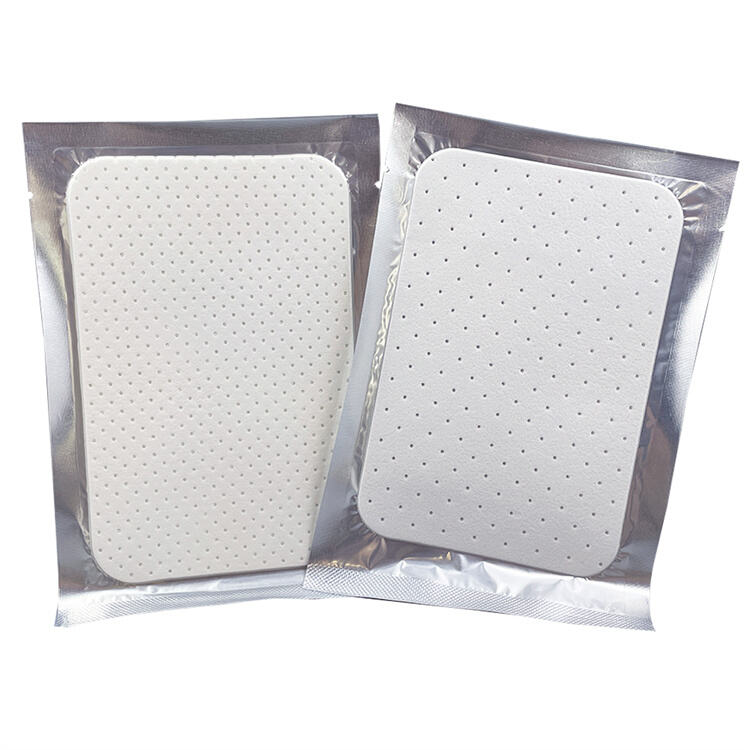
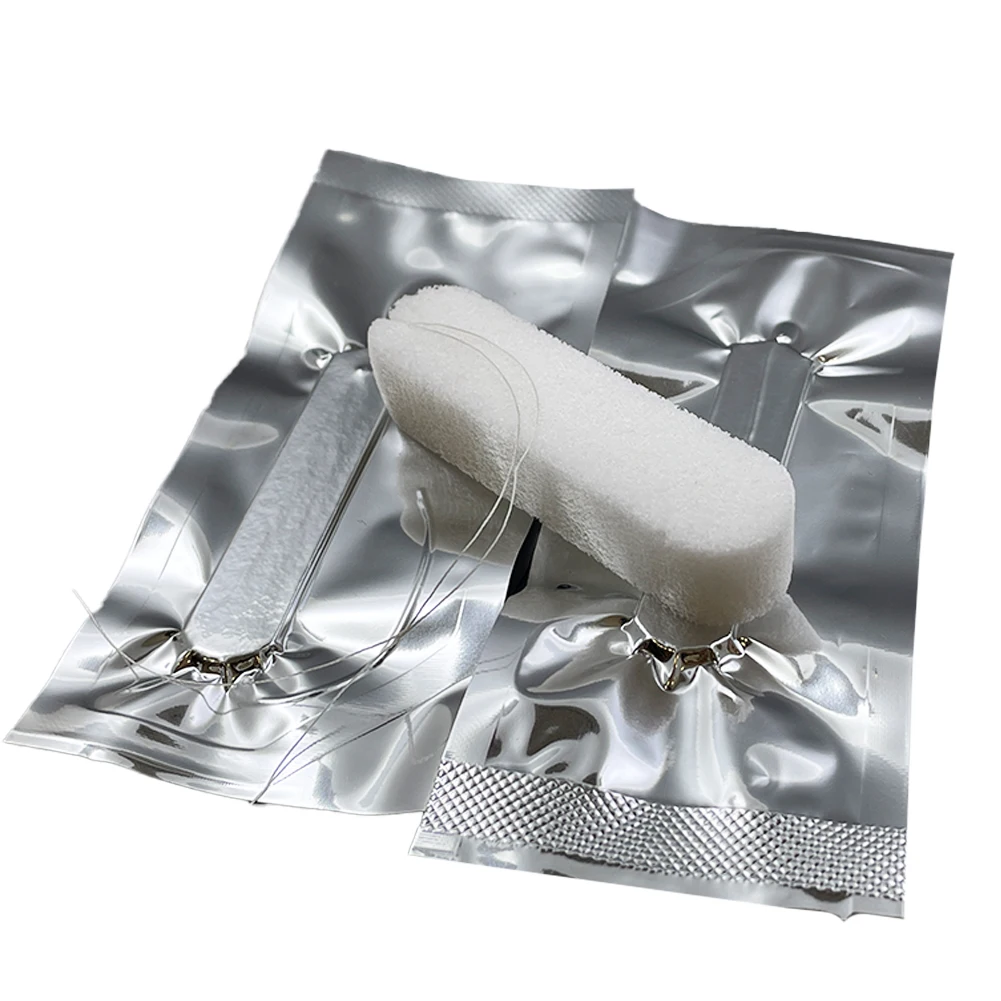
Ever heard of NPWT pressure, Cheercare wants you to know? NPWT ((negative-pressure wound therapy) And this is a very special treatment that can help wounds healing up to 10 times faster. NPWT is frequently utilized by physicians and nurses when a patient has a healing resistant wound. It is a vacuum-assisted closure device to remove excess fluid from the wound. This can help alleviate swelling around the area and promote healing of the wound. Think of it as a little pick me up for the sore to help it heal!
For doctors and nurses: NPWT pressure use is crucial So, the confines of the varying degrees of pressure applied during treatment, is in fact vital to the process of action that leads to the closure of the wound. But at the same time, if pressure is way too high, that could damage or hurt the surrounding tissue around the wound. Conversely, if they drop too low may not aid the healing of the wound at all. Finding that fine line is akin to finding the right pressure, in a way that will help patients heal to the best of their ability. The Menace of Pressure adjusts Pressure wise from Patience-to-Patience.
There are a number of important considerations when it comes to the accurate application of NPWT pressure. Before anything else, steps need to be taken to prepare the wound for treatment. The wound should be free of dirt, debris, or any dead tissue. If the wound is dirty, the treatment will not be effective and the pressure will aggravate it rather than favor it. Thus, cleaning the wound very well is an important first step.
After cleaning the wound and preparing the dressing, you are able to adjust the pressure. The gentle pressure would be perfect to heal the wound but it would damage the scar the highest degree. High or low pressure will affect the healing of the wound. When doctors and nurses change the pressure it is ensure that they are sure that their patient is receiving maximum quality. It's all about balancing all the healing right!
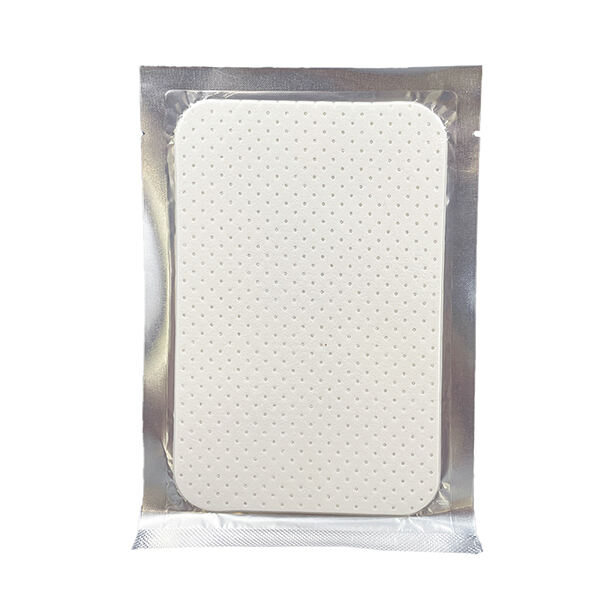
This increase in blood flow in the vicinity of the wound causes it to be pliable under the pressure exerted by NPWT and helps to grow the tissue. This matters a lot because a greater supply of blood means a higher quantity of oxygen and nutrients. These are the elements relevantly useful to better and quicker course of the wound healing. The pressure also serves to evacuate any excess fluid that might be present in the wound. Which is another way to accelerate healing by reducing swelling.

What is your take on patient safety, an essential aspect of treatment in any/NPWT pressure? They don't know if the patient is fit for treatment, it could be the first time doctors and nurses know for certain before starting treatment. They must be certain that the treatment will be safe for the individual patient. Patients need to be observed closely while the treatment occurs to catch any issues immediately.
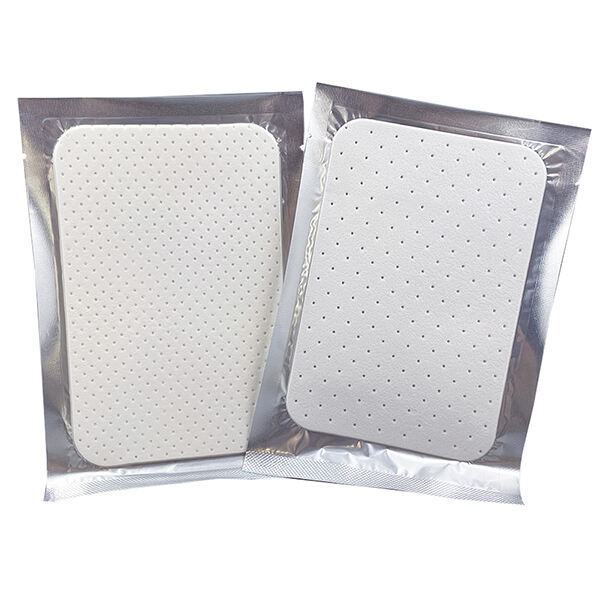
Additionally, wound care management skills training are essential for npwt patients. They needs to be taught how to clean the wound properly and change the dressing whenever it is required. This bit of information is essential for their recovery. It's also important for a patient to know what to do if they experience any pain, discomfort, or signs and symptoms other than what is expected during the plan of treatment. So they can immediately report any problem to their health care provider.
npwt pressure is certified by ISO9001 CE SGS as well as FDA ensuring product quality and security We also hold more than 30 patents including the independently-protected oral sponge stick swab These patents are a testament to our creativity and technological expertise Cenlekong was also recognized as a "National High-Tech Enterprise that demonstrates its impressive accomplishments and technical prowess We also provide 24/7 customer service swiftly responding to the needs of our customers and signing five major assurance agreements that protect our customers' concerns
npwt pressure an efficient supply chain management system professional automated production lines and the most advanced technology for inventory management Cenlekong boasts robust quick and stable capability in its supply chain We are aware of the importance of stable supply for our clients and their business continuity We are constantly optimising processes to ensure swift market response in all situations We have precise control of logistics and efficient production scheduling regardless of the season or a surge in orders Our clients have peace of mind knowing that we provide goods on time with accuracy and with high quality
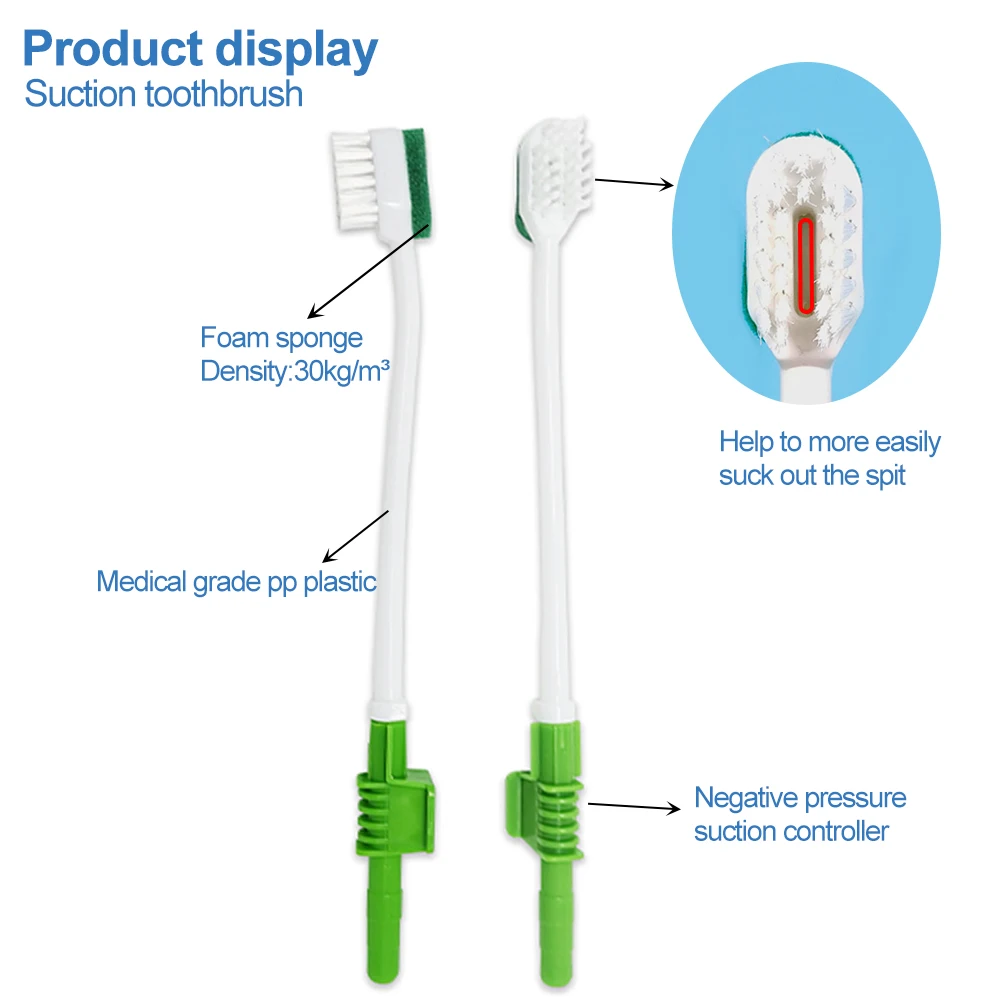
Cenlekong is an organisation that is focused on creating and manufacturing medical sponge products Our primary products are oral sponge sticks and female sponge sticks We also provide suction brush handwashing and handwashing tools and a variety of medical products including npwt pressure sponges that are suitable for medical use With the help of advanced technology vast experience and a solid technical team we offer quality solutions that meet the needs of various sectors
Cenlekong is a leading global producer of medical sponges consumables and other products Our headquarters is a modern manufacturing facility that covers 4 000 square metres and is equipped with Class 100 000 modern clean rooms With approximately 100 employees and more than ten years manufacturing experience and production that is {keyword}} 20 million units Cenlekong provides high-quality services to over 100 000 clients across more than 60 nations that are committed to meeting a variety of customer needs Our production capabilities are strong and our extensive industry experience have earned us wide recognition in the international market
Copyright © Cheercare Medical (Changzhou) Co.,Ltd.
All Rights Reserved
 EN
EN