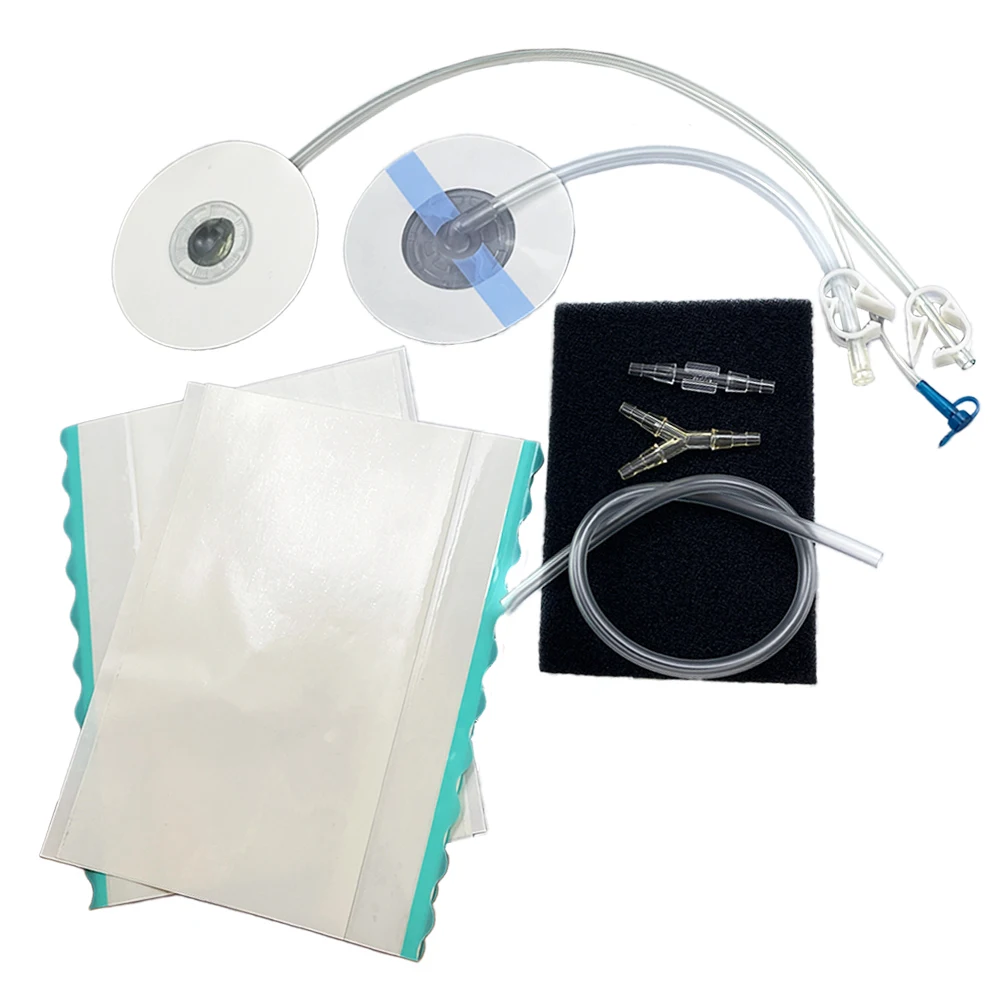
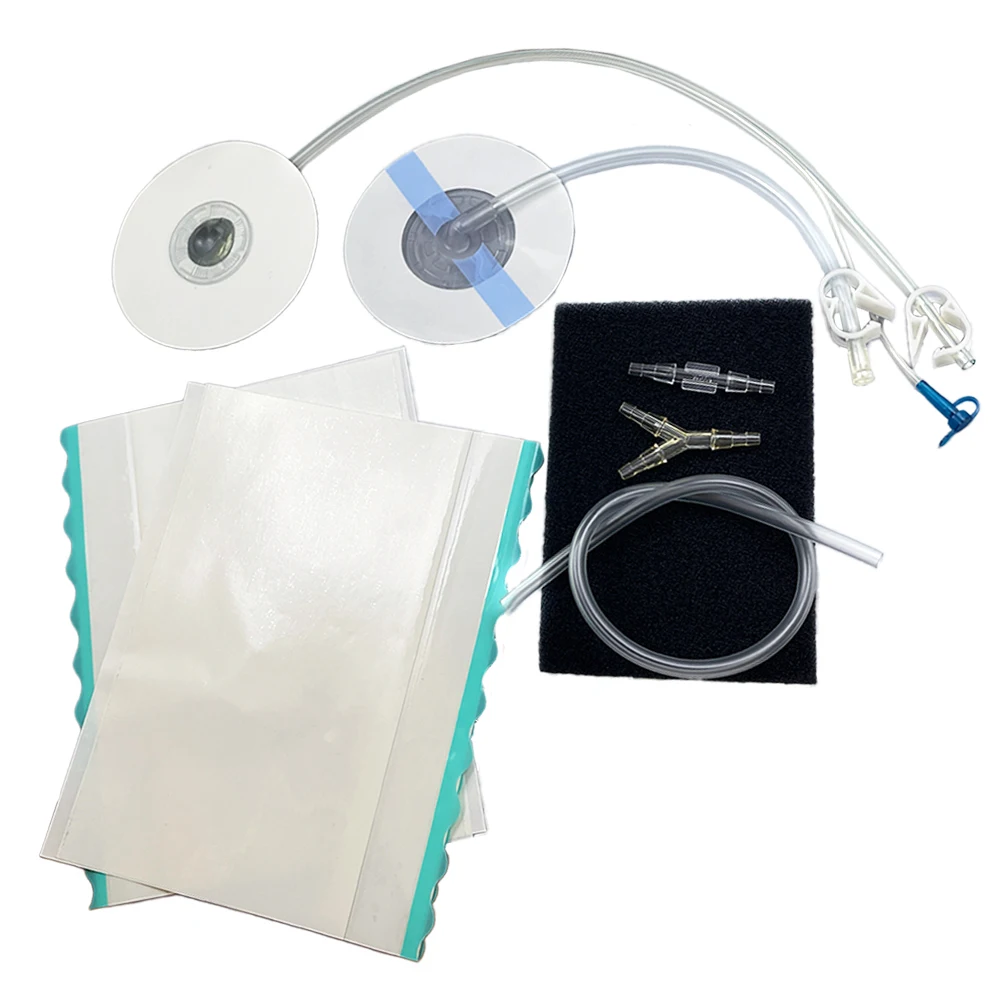
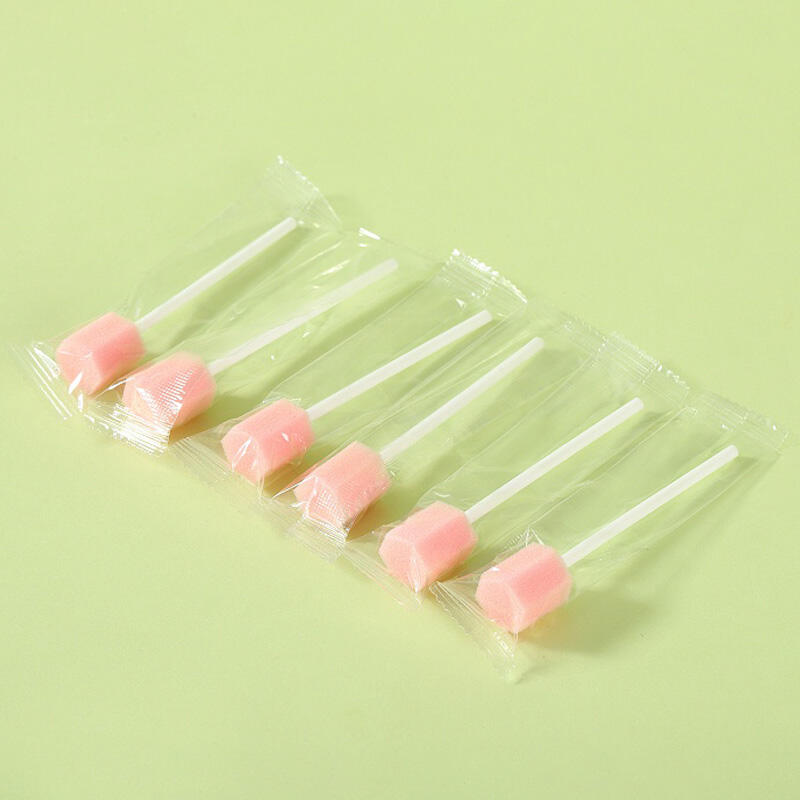
With the new first aid strategies outlined below, those surface wounds never fully heal – you may know someone that simply cannot keep away from their grazing knee, elbow, ankle or vacant anything just as much as understand it will quicker recover if they left it alone. If you have, you know how much of a nuisance and agony that is. You know how they say time heals all wounds — well, sometimes it can feel like it takes almost forever. Fortunately, 3m negative pressure wound therapy provides a novel method of wound care. This extra care can assist in providing rapid healing of wounds and prevent any future infection which is extremely crucial for our well-being.
Vacuum therapy, or negative pressure therapy, applies vacuum to a wound with the help of a special device. A vacuum is basically just a drawing tool that vacuums things into the tube (dirt, air, etc.). The vacuum, in this case, aids in pulling excess fluid and dirt out of the wound. Because when a wound is too wet or dirty, healing can take a long time. Negative pressure therapy removes this extra material, allowing the wound to heal faster.
This also increases growth of new skin. It aids a wound closure by making skin grow on it. NPWT is known to halve the healing time which is a huge plus! Can you imagine that? This means that individuals who undergo this therapy can return to their normal activities, such as sports or socialization, far more quickly than those who do not.
The Science of Negative Pressure Therapy Now that you have a basic concept of negative pressure therapy, let us delve into the science behind it. This therapy utilizes a vacuum to pull the extra bad stuff out of an injury. By using a vacuum, the pressure inside the wound is lower than that outside the wound. Therefore, the body will pull out extra fluid from inside the wound and, at the same time, flush out all the bad things like germs and hundreds of other things. Interestingly, this process creates new cells that promote the growth of new cells, which is essential for recovery. Additionally, the vacuum helps to develop new blood vessels. Blood vessels are like roads in the body that transport oxygen and nutrients. To heal a wound or an injury, the body needs oxygen and new cells. Besides, the vacuum helps bring the edges of an injury together, closing up the wound more quickly. This helps prevent an infection. An infection is when siblings invade a wound, making it worse. Why It Will Be Good for Me Negative pressure therapy is a modern way to treat wounds and a popular one. Most people use this treatment because it is safe, has no side effects, and is easily accessible. A side effect is when something in the body goes wrong after acquiring a treatment. However, negative pressure therapy has a few side effects. Moreover, it treats wounds that are hard to heal or severe. My wound is incredibly harmful; therefore, for me, negative pressure therapy would make a huge difference on my wound.
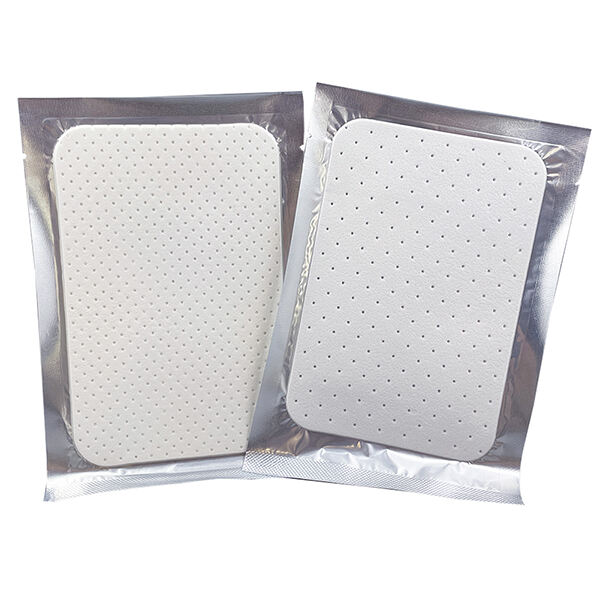
Negative pressure therapy is one of the most beneficial processes for such purposes, as it prevents the wounds from being infected. Infections are bad as they can lead to a more severe wound that takes a longer time to heal. Negative pressure therapy (also known as vacuum-assisted closure) removes excess fluid and debris from a wound, creating an inhospitable environment for microorganisms. Less germs mean less chance of an infection.
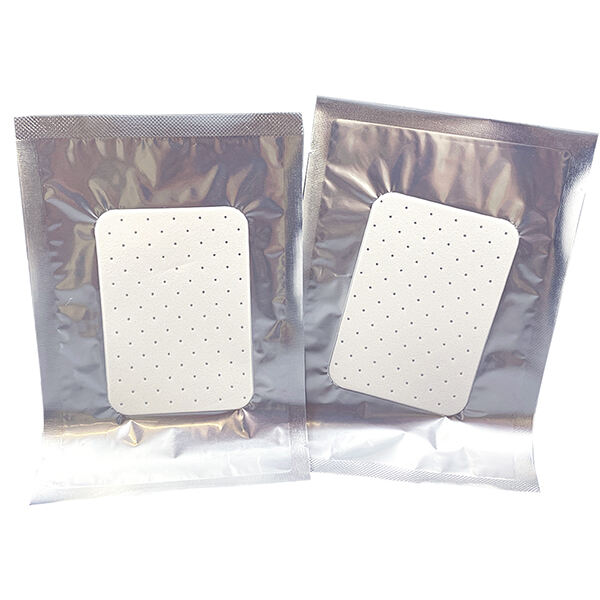
While most commonly used for wounds, negative pressure therapy may also be utilized in the treatment of other pathophysiologies. Often used for: Deep vein thrombosis (when blood clots form in the veins), skin grafts, in which skin is moved from one place to another on the body, burns (injuries caused by heat)
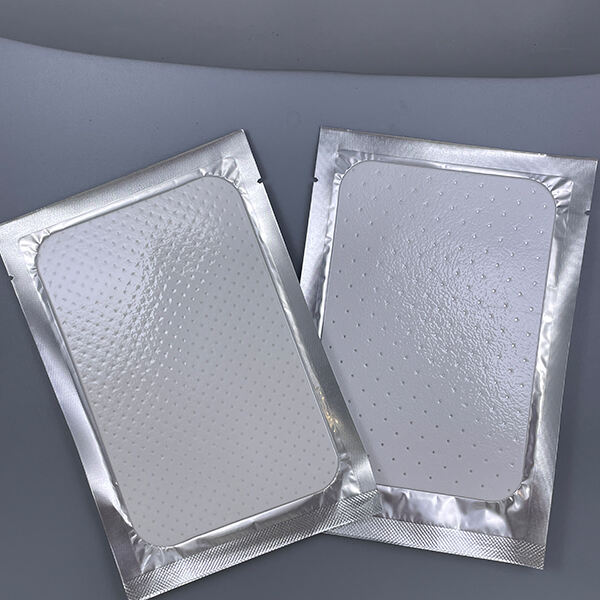
Pressure can also be used in conjunction with other therapies, such as antibiotics for Knative therapy. Antibiotics break infections, these are drugs that kill bacteria. Given the combination of negative pressure therapy with antibiotics, as a result, will boost their effectiveness. This will help prevent germs from getting immune to antibiotics, meaning antibiotics won't be as effective in the future. Ultimately, this combination of therapies should help patients start to feel better faster.
Cenlekong has been approved by ISO9001 and CE It is also negative pressure therapy and FDA approved which assures product safety and quality We also hold more than 30 patents which include the independently protected oral sponge stick swab These patents are a testament to our creativity and technological expertise Additionally Cenlekong has been recognized as a "National High-Tech Enterprise " further proving our impressive achievements and expertise in the business We offer 24/7 customer support fast response to all customer needs Five major assurance agreements are in place to safeguard the interests of our customers
Cenlekong is a leading global manufacturer of medical sponges and other consumables Our headquarters is a state-of-the-art manufacturing facility that covers 4 000 square metres with Class 100 000 advanced clean rooms With around 100 employees and more than {keyword}} manufacturing experience and production that is over 20 million units Cenlekong offers top-quality services to over 100 000 clients across 60 countries We're committed to addressing the varied needs of our customers Our robust production capabilities and extensive industry experience have earned us recognition in the international market
Cenlekong has a strong stable steady and rapid negative pressure therapy that is stable reliable and fast This is due to its outstanding supply chain management its automated production lines of the highest quality as well as inventory management technologies We understand the importance of stable supply for our clients for their business continuity We're continuously optimizing our processes to provide rapid market response in any situation We keep a strict control on logistics and a well-organized production schedule regardless of seasonal fluctuations or an increase in orders This gives our clients confidence that we can deliver their products on time accurately and with high quality
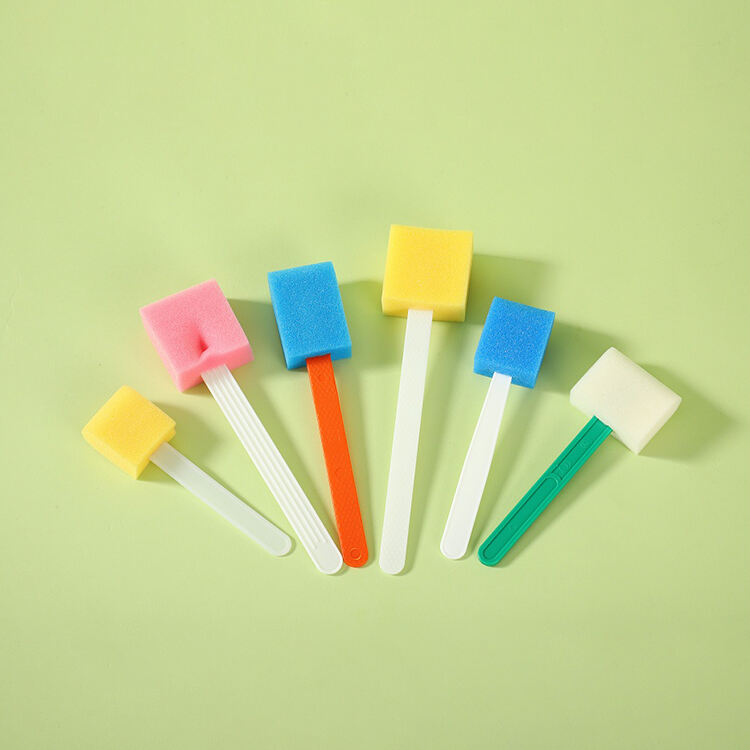
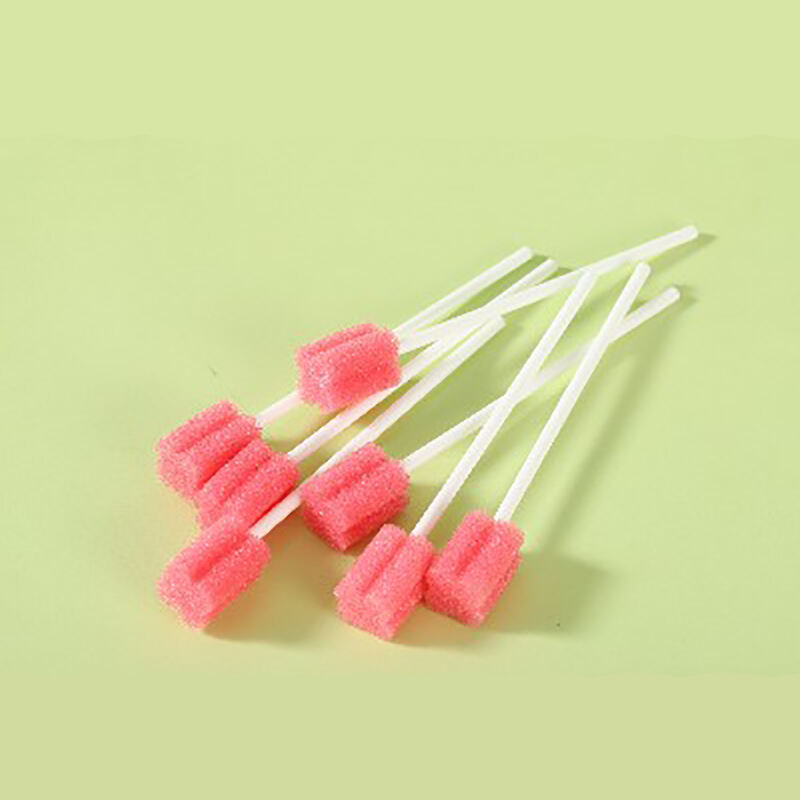
Cenlekong is a leader in the manufacturing and research and development of medical sponges. Our most popular products include oral sponge sticks as well as female sponge sticks. We also offer negative pressure therapy, handwashing brushes as well as a range of medical products, including NPWT sponges designed for medical use. With the help of advanced technology, vast experiences, and an experienced technical team, we provide high-quality solutions swiftly to fulfill the requirements of different fields.

Copyright © Cheercare Medical (Changzhou) Co.,Ltd.
All Rights Reserved
 EN
EN